


Making Solutions
 So, what happens? How do you make that solution? Mix the two liquids and stir. It's that simple. Science breaks it into three steps. When you read the steps, remember...
Solute=Sugar
Solvent=Water
System=Glass.
1. The solute is placed in the solvent and the concentrated solute slowly breaks into pieces. If you start to stir the liquid, the mixing process happens much faster.
2. The molecules of the solvent begin to move out of the way and they make room for the molecules of the solute. Example: The water has to make room for the sugar molecules to spread out.
3. The solute and solvent interact with each other until the concentration of the two substances is equal throughout the system. The concentration of sugar in the water would be the same from a sample at the top, bottom, or middle of the glass.
Can Anything Change Solutions?
Sure. All sorts of things can change the concentrations of substances in solution. Scientists use the word solubility. Solubility is the ability of the solvent (water) to dissolve the solute (sugar). You may have already seen the effect of temperature in your classes. Usually when you heat up a solvent, it can dissolve more solid materials (sugar) and less gas (carbon dioxide). If your friend was mixing sugar and water, she would be able to dissolve a lot more sugar into hot water rather than cold.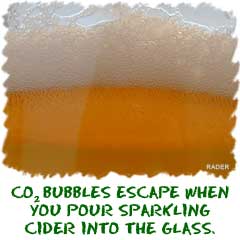 Next on the list of factors is pressure. When you increase the surrounding pressure, you can usually dissolve more gases in the liquid. Think about your soda can. It is able to keep the fizz inside, because the contents of the can are under higher pressure. Think about a bottle of soda. The first time you open the bottle, a lot of bubbles come out. If you open and close it over a few hours, fewer and fewer bubbles will come out of the solution. When you opened the bottle the first time, you lost the high pressure that was keeping the carbon dioxide (CO2) gas in solution.
Last is the structure of the substances. Some things dissolve easier in one kind of substance as opposed to another. Sugar dissolves easily in water and oil does not. Water has a low solubility when it comes to oil. Since oil is not soluble in water, it will never truly dissolve. Oil and water is a mixture, not a solution. The two types of molecules (oil and water) are not evenly distributed in the system.
More on Solutions from Part I...
Related Video...
Power of Sea Salt (NASA/Science@NASA Video)
Encyclopædia Britannica: Solutions
Encyclopædia Britannica: Ideal Solutions
Wikipedia: Solutions
Wikipedia: Amalgams
Encyclopedia.com: Solutions
- Overview
- States
- Phase Change I
- Phase Change II
- Chem-Phys
- Solids
- Liquids
- Gases
- Evaporation
- Plasmas
- BE Condensate
- Mixtures I
- Mixtures II
- Solutions I
- Solutions II
- Mixture Ex.

 See the full list of chemistry topics at the site map!
©copyright 1997-2018 Andrew Rader Studios, All rights reserved.
Current Page: Chem4Kids.com | Matter | Solutions II
** Andrew Rader Studios does not monitor or review the content available at external web sites. They are paid advertisements and neither partners nor recommended web sites. Also, we do not collect or ask for personally identifiable information on any of our sites. Privacy Policy/Terms & Conditions